Yellow Fishing Pole: A Designer's Review for Real Projects
When I first opened the Yellow Fishing Pole design file, my immediate reaction wasn't about the technical specs or the number of stitches. It was about the vibe. There is something undeniably cheerful and nostalgic about a bright yellow fishing rod against a neutral background. As someone who has spent years turning digital files into tangible handmade products for clients and craft fairs, I know that the mood of a design often dictates its success more than the complexity of the stitch work.
This isn't just another generic icon; it feels like a snapshot of a lazy afternoon by the lake. The color choice alone makes it stand out as a perfect candidate for summer collections, outdoor gear branding, or those special personalized gifts for the angler in your life. But does it hold up when it moves from the screen to the fabric? That is where the real test begins.
The First Stitch: Visual Personality and Mood
In the world of machine embroidery, the visual personality of a design is crucial. The Yellow Fishing Pole brings a playful energy that works exceptionally well for casual wear and home decor. Unlike rigid, corporate logos, this design invites conversation. When I imagine this stitched onto a canvas tote bag, it immediately suggests a lifestyle rather than just a product. It feels approachable, fun, and distinctly "handmade."
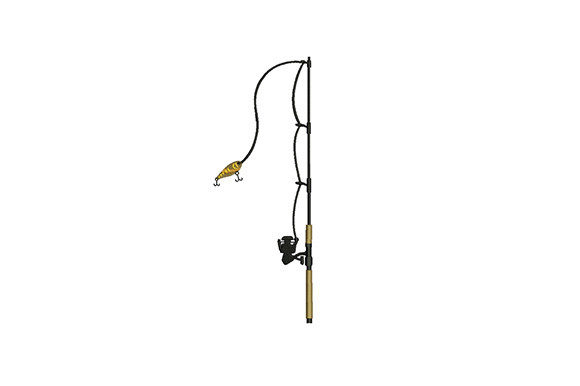
The layout is clean, which is a relief. Many fishing-themed designs get cluttered with too much detail—too many lures, too many fish scales, or text that becomes unreadable at small sizes. This design keeps the focus on the pole itself, allowing the thread colors to do the heavy lifting. The yellow hue is vibrant enough to pop without being overwhelming, making it versatile for both light and dark backgrounds, provided you choose the right thread contrast.
Real-World Application: From Tote Bag to Boutique Shelf
Let's talk about a specific scenario. Imagine you are an Etsy seller preparing for the upcoming camping season. You have a stack of organic cotton tote bags ready to go, but they need a focal point. You decide to use the Yellow Fishing Pole design. The moment you hit start on the hoop, the design fills the space perfectly. It doesn't look cramped, nor does it feel lost.
After stitching, the result is crisp. The fill stitches lay down smoothly, creating a solid shape that holds its form even after washing. Customers browsing your shop would likely stop scrolling because the image conveys a clear story: adventure, relaxation, and the outdoors. It fits seamlessly into a collection of camping gear, outdoor apparel, or even nursery items for parents who love the sport.
I also see this design thriving on sweatshirts and hoodies. The simplicity of the single pole allows it to sit comfortably on the chest area without looking bulky. For a boutique owner, this could be a staple item for their "Outdoor Living" line. The design translates well to kitchen towels and aprons as well, adding a touch of whimsy to a functional item. It transforms a standard tea towel into a conversation starter for a hostess gift.
Where to Exercise Caution
While the Yellow Fishing Pole is a strong contender, no design is universally perfect. There are specific situations where you might want to think twice before committing to production. If you are working with very small hoop sizes, such as those used for baby hats or tiny patches, the details might get lost. The curve of the fishing rod requires enough space to maintain its natural arc; compressing it too much can make it look bent or distorted.
Fabric texture is another critical factor. On highly textured fabrics like chunky wool or bouclé, the smooth lines of the pole might not register clearly. Similarly, on stretchy knits without proper stabilizer, the design could pucker, ruining the clean aesthetic. Dark fabrics require careful consideration of the thread color. While the yellow will show up, it may lack the same punch as it does on white or cream unless you use a high-density underlay or a specific shade of yellow designed for darks.
For curved surfaces like caps, the curvature of the design needs to match the hat's panel. If the design is too tall, it might wrap awkwardly around the crown. Always test the fit on the actual garment before mass-producing. Additionally, if you plan to wash these items frequently, ensure the stitch density is sufficient to prevent fraying over time, especially on the thin lines of the fishing line extending from the tip.
Design Notes for the Professional Maker
Before you rush to print mockups or list your new products, there are practical steps every designer should take. First and foremost, test the Yellow Fishing Pole on scrap fabric that matches your intended final material. This helps you gauge how the thread tension interacts with the fabric weave. Check the stitch density closely; if the fill areas are too dense, the fabric might become stiff, affecting the drape of a shirt or the softness of a blanket.
Review the file formats carefully. Most modern embroidery machines accept various extensions, but compatibility varies. Ensure you have the correct format for your specific hardware. Also, inspect the small details, particularly the eye of the hook and the tip of the pole. These tiny elements can sometimes disappear if the resolution isn't high enough or if the thread count is too low.
It is also wise to create black and white mockups to check the silhouette. Does the shape read clearly without the benefit of color? If the design looks good in grayscale, it will almost certainly look great in full color. Compare how it appears on different backgrounds during your digital preview phase. Sometimes a design that looks perfect on a white screen can clash with a beige linen fabric.
Finally, never overlook the importance of stabilizer. Using the wrong type can lead to registration issues or fabric distortion. For lightweight fabrics, a cut-away stabilizer is often best for durability, while tear-away might suffice for heavier materials. Confirm whether the licensing terms allow for commercial use if you intend to sell finished goods. Many designers assume a design is free for resale, but checking the fine print protects your business from future legal headaches.
Final Verdict on Value and Appeal
The Yellow Fishing Pole design succeeds because it balances charm with simplicity. It creates a positive emotional response that customers connect with instantly. Whether you are a hobbyist making gifts for family or a seasoned entrepreneur building a brand, this design offers versatility that is hard to beat. It elevates the perceived value of a handmade product by adding a professional, polished touch.
For those selling on platforms like Etsy or attending craft fairs, having a cohesive library of designs like this one is essential. It allows you to offer a range of products—from tote bag designs to sweatshirt embroidery—that all share a consistent visual language. The design acts as a reliable asset that can drive engagement and sales simply by looking good.
Ultimately, the decision to use this design comes down to your specific project needs. If you are looking for a way to inject some fun and nostalgia into your embroidery project, the Yellow Fishing Pole is a fantastic choice. Just remember to respect the limitations of your equipment and materials, and always prioritize testing. With the right preparation, this design can become a cornerstone of your commercial embroidery offerings, helping you build trust and recognition among your buyers.