Hula Girl Redwork Design: A Designer's Real-World Review
As a professional designer who has stitched hundreds of patterns for client projects and personal craft businesses, I know that the difference between a good design and a great one often comes down to how it behaves on actual fabric. Today, I am evaluating the Hula Girl Redwork Design. It is described as gorgeous, cute, and delicate, promising an elegant touch for any fabric. But does it hold up when you are rushing to finish a custom order for an Etsy shop or preparing a heartfelt gift? Let's dive into what this embroidery file actually brings to the table.
The First Impression: Mood and Visual Personality
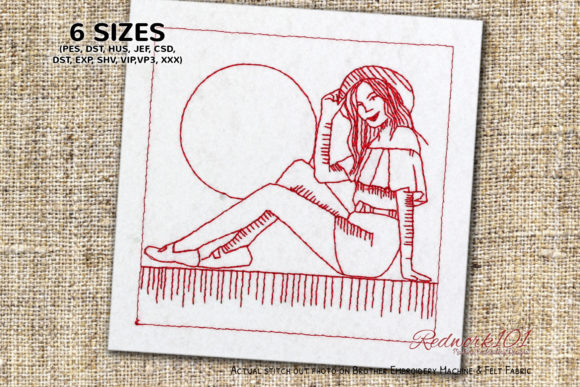
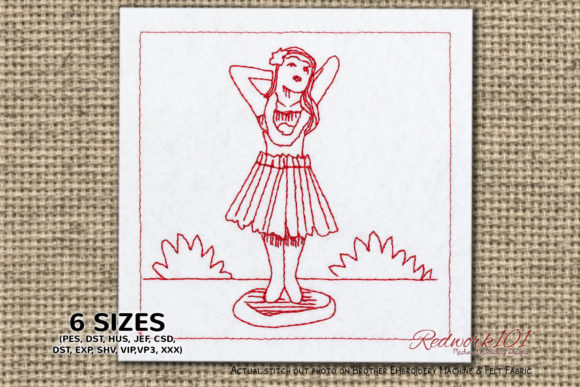
When I first opened the Hula Girl Redwork Design, the immediate feeling was one of playful nostalgia. The redwork style, which relies on single-color outlines (usually red) rather than complex fill stitches, creates a clean, graphic look that feels both vintage and modern. This isn't a design that screams for attention with neon threads; instead, it whispers elegance. The shape of the hula girl figure appears fluid, suggesting movement even in a static image. For a designer looking to add a touch of whimsy without overwhelming a garment, this layout strikes a perfect balance.
The "delicate" nature mentioned in the description is key here. Because redwork typically utilizes running stitches to create the outline, the design avoids the heavy, dense texture that can sometimes make small items feel stiff. It feels airy and light, which makes it an excellent candidate for soft fabrics like cotton lawn, linen, or fine jersey. The visual personality is distinctly feminine yet approachable, making it versatile enough for nursery decor, boutique apparel, or even a quirky patch on a denim jacket.
Real-World Application: From Scrap to Finished Product
To truly understand the utility of this machine embroidery design, I imagined using it in a real-life scenario. Let's say I am preparing a collection of handmade tote bags for a local craft fair. These bags need to be durable but also visually appealing to passersby. If I stitch the Hula Girl Redwork Design onto a sturdy canvas tote, the single-color outline would stand out beautifully against a natural beige or a deep navy background.
Imagine taking this same design and applying it to a baby onesie. The delicate lines would not irritate a baby's skin because there is no thick padding of thread. Instead, the embroidery project would result in a soft, breathable finish that parents would appreciate. Similarly, if I were creating a set of kitchen towels for a holiday gift, the hula theme could serve as a fun, tropical accent that contrasts nicely with traditional Christmas colors, offering a unique twist for seasonal merchandise.
For digital product sellers, this design offers significant value. The clean lines of the redwork style translate exceptionally well into printable mockups. When showcasing a sweatshirt embroidery listing on an online store, a high-resolution scan of this design looks professional and crisp. It allows potential buyers to visualize the final finished product clearly, increasing trust in the quality of the item they are purchasing.
Strategic Use Cases for Small Business Owners
If you run a small shop or sell on platforms like Etsy, knowing where to place your designs is just as important as the design itself. The Hula Girl Redwork Design is particularly strong for personalized gifts. Think about monogrammed aprons where the hula girl acts as a charming sidekick to the name, or perhaps a custom cap where the figure sits subtly near the brim. The versatility of the design means it fits seamlessly into custom apparel categories ranging from casual wear to themed event merchandise.
Furthermore, its simplicity makes it ideal for products that require frequent washing. Because the stitch density is generally lower in redwork compared to dense fill patterns, the design is less likely to pucker or distort over time. This reliability is crucial for commercial embroidery clients who need their branded gear to last through many cycles. Whether it is used on a pillow cover for a wedding gift or as a decorative element on a tea towel, the design maintains its integrity and aesthetic appeal.
Where Caution Is Required: Fabric and Hoop Limitations
However, no design is perfect for every situation. As an experienced reviewer, I must highlight where the Hula Girl Redwork Design might struggle. While it is delicate, that same delicacy means it may lack visibility on very textured fabrics like chunky wool or heavy terry cloth. The thin lines could get lost in the weave of the material, reducing the impact of the embroidery file.
Additionally, if you are working with stretchy fabrics like spandex blends, you must be careful with the hoop size and stabilizer choice. Without proper support, the running stitches might pull the fabric, causing distortion around the curves of the hula figure. Dark fabrics present another challenge; while redwork traditionally uses red thread, on black or dark navy fabric, the contrast might be too subtle unless you switch to a lighter thread color like white or gold. Always check the specific thread colors recommended for your chosen background.
Small hoop sizes can also be tricky. If the design includes intricate details in the corners of the figure's dress or hair, stitching them inside a very small hoop might result in loss of definition. The machine might skip tiny segments of the running stitch, blurring the intended shape. Therefore, this design is best suited for medium to large areas where the detail can breathe and be appreciated fully.
Practical Notes for the Discerning Designer
Before you commit to a full production run, there are essential steps every designer should take. First, always test the design on scrap fabric that matches your final material. This helps you gauge the stitch density and see how the thread interacts with the fabric grain. Check whether the design works for both personal use and commercial projects by reviewing the license terms carefully; some digital assets have restrictions on selling finished goods.
Inspect the small details closely. In redwork, the continuity of the line is vital. If the design has gaps or uneven spacing, it will look amateurish in the final product. Compare light and dark fabric backgrounds in your mockups to ensure the design remains legible. Also, consider using a proper stabilizer that complements the weight of your fabric to prevent puckering. Finally, confirm that the multiple file formats included work with your specific embroidery machine software to avoid conversion errors during production.
Final Thoughts on Visual Appeal and Value
The Hula Girl Redwork Design succeeds in delivering on its promise of elegance and cuteness. It is a design that adds character without clutter, making it a valuable asset for anyone looking to elevate their handmade product offerings. Whether you are an Etsy seller looking to boost your listings or a hobbyist crafting a special keepsake, this pattern offers a reliable way to inject personality into your work.
Ultimately, the success of this embroidery project depends on execution. With the right fabric choice, proper stabilization, and attention to detail, the Hula Girl Redwork Design can transform a simple piece of cloth into a memorable, high-quality item. It stands as a testament to how simple, well-executed lines can create a lasting impression in the world of Beauty and Embroidery.