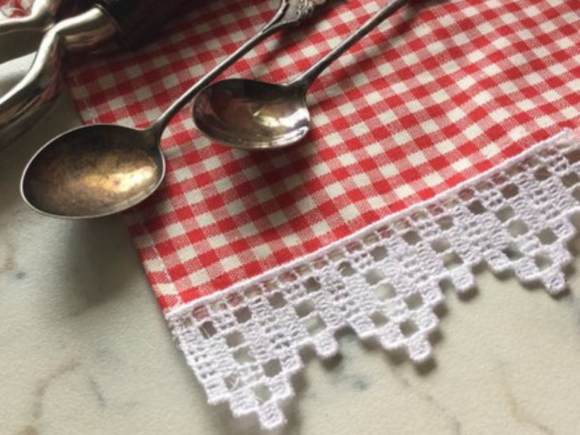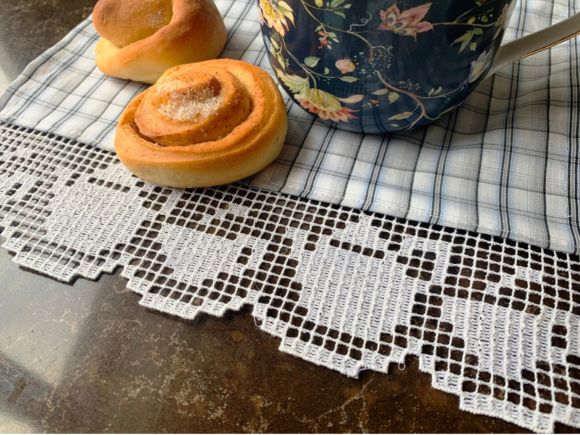
Lace Edging for Kitchen Towels
As an experienced embroidery designer, I am constantly scanning the market for digital embroidery files that can elevate a simple product into a cherished gift. When I first encountered Lace Edging for Kitchen Towels, I immediately recognized its potential for the upcoming holiday season. This isn't just another decorative border; it is a design that captures a specific rustic elegance that resonates deeply with modern home decor trends. The file promises a look that mimics handmade filet lace, a detail that suggests high value and artisanal care to the buyer.
In the world of commercial embroidery, the difference between a standard item and a premium seasonal bestseller often lies in the finishing touches. Lace Edging for Kitchen Towels offers exactly that touch. It transforms a basic cotton towel into a sophisticated piece of kitchen art. For Etsy sellers and small business owners planning their winter collections, this design feels like a missing puzzle piece. It strikes a balance between nostalgic charm and contemporary style, making it perfect for gifts intended for mothers, grandmothers, nannies, or anyone who loves a cozy, well-decorated home.
The Emotional Appeal of Rustic Elegance
When evaluating any machine embroidery design for seasonal use, I start by assessing the emotional tone. Does it feel festive? Cozy? Premium? The Lace Edging for Kitchen Towels design leans heavily into a rustic, elegant aesthetic. It evokes the feeling of a grandmother's farmhouse kitchen, filled with warmth and tradition. This emotional connection is crucial for holiday shoppers who are looking for personalized gifts that convey love and appreciation rather than just utility.
The visual recognition of this design is strong. In a crowded marketplace, a clean, intricate lace border stands out against solid colors. It suggests that the finished product was crafted with attention to detail. For the digital embroidery file buyer, this means higher perceived value. Customers are willing to pay more for items that look hand-finished, even if they are machine-made. This design bridges that gap effectively, offering the illusion of delicate handwork through precise stitch density and clean lines.
Strategic Applications for Seasonal Collections
One of the most exciting aspects of reviewing Lace Edging for Kitchen Towels is considering its versatility beyond just towels. While the primary application is clear, the design can be adapted for a wide range of holiday products. Imagine creating a matching set where the same lace edging is applied to pillow covers, aprons, or even tote bags. This creates a cohesive brand identity that customers love to see on social media previews.
- Kitchen Towel Embroidery: The natural home for this design. Perfect for gifting during holidays like Christmas, Mother's Day, or housewarming parties.
- Sweatshirt Embroidery: While lace edging might seem unusual for apparel, using it as a hem detail on a cozy, oversized sweatshirt could create a unique, high-fashion streetwear look.
- Tote Bag Design: A lace edge along the bottom or side of a canvas tote adds a soft, feminine touch, making it ideal for a "gift-ready" shopping bag.
- Pillow Covers: Adding this edging to the corners or sides of throw pillows can instantly update a living room for the holidays.
- Baby Items: The gentle, vintage style works beautifully on baby blankets or bibs, appealing to new parents looking for sentimental keepsakes.
- Ornaments and Patches: Smaller iterations of the design could work as embroidered patches for denim jackets or as appliqués on holiday ornaments.
For an Etsy seller, these variations allow for the creation of gift bundles. You could offer a "Kitchen Starter Pack" that includes a towel, an apron, and a set of pot holders, all featuring the same Lace Edging for Kitchen Towels motif. This increases the average order value and provides a complete solution for the gift-giver.
Navigating Technical Challenges and Fabric Texture
While the aesthetic potential is high, every professional knows that execution is everything. There are specific scenarios where Lace Edging for Kitchen Towels requires careful consideration. First, consider the fabric texture. Thick terry cloth towels are excellent for absorbing moisture but can sometimes cause issues with fine details if not stabilized correctly. The design relies on the contrast between the stitches and the fabric to show off the "filet" look.
If you are planning to use this design on stretchy garments like sweatshirts, you must ensure your stabilizer choice is robust enough to prevent puckering. The delicate nature of lace patterns can be distorted easily if the hoop size is too large or if the fabric shifts during stitching. Additionally, dark fabrics present a challenge. To make the lace pop, you may need to adjust your thread colors or use a contrasting underlay, which requires testing before mass production.
I also advise caution when working with metallic threads. While they add sparkle, they can sometimes snag on the intricate loops of a lace design. If you aim for a premium finish, test your stitch density carefully. Too many stitches in a small area can make the fabric stiff, ruining the drape of a kitchen towel or the comfort of an apron. Always check the recommended hoop size for the design to ensure the entire pattern fits without cutting off the delicate edges.
Maximizing Seasonal Appeal and Customer Trust
In the holiday rush, customer trust is built on consistency. If a buyer sees a beautiful mockup of a towel with Lace Edging for Kitchen Towels and receives a product that looks muddy or poorly stitched, they will leave negative feedback. This is why creating realistic mockups is essential. Before listing your holiday embroidery products, stitch out the design on actual fabric samples. Review the small details after stitching to ensure no loose threads or gaps exist.
The design's ability to drive engagement comes from its visual clarity. In printable promotional graphics, the crisp lines of the lace edging should be highlighted. Show close-ups of the texture. For craft fair displays, hang the finished towels so the light catches the depth of the stitches. This transparency builds confidence in your commercial embroidery services.
Furthermore, this design supports the narrative of "handmade gifts." Even though it is a machine-made product, the lace effect mimics traditional craftsmanship. This aligns perfectly with the values of consumers looking for personalized gifts that feel special. By using this design, you are selling a memory, not just a kitchen accessory.
Essential Designer Notes for Success
Before adding Lace Edging for Kitchen Towels to your seasonal inventory, there are practical steps you must take. First, verify the commercial licensing terms of the digital embroidery file. Ensure you have the right to sell finished products made from this design. Second, plan your color palettes. Test thread colors on both light and dark fabrics to find the best contrast. A white lace on a cream towel looks different than a gold lace on a navy background.
Always confirm the stitch count and file format compatibility with your machine. If the product description does not specify exact stitch counts or hoop sizes, do not guess. Contact the designer or check the file properties to avoid technical failures. Use proper stabilizer—cut-away stabilizers are generally best for maintaining the shape of lace designs on heavy fabrics.
Finally, remember that embroidery file quality is only half the battle. The success of your small shop product depends on how well you integrate it into your collection. Whether you are creating limited edition apparel or expanding your line of home decor, Lace Edging for Kitchen Towels offers a versatile, high-value option that can help you stand out during the busy holiday shopping periods. By focusing on quality control and thoughtful presentation, you can turn this design into a signature element of your brand.