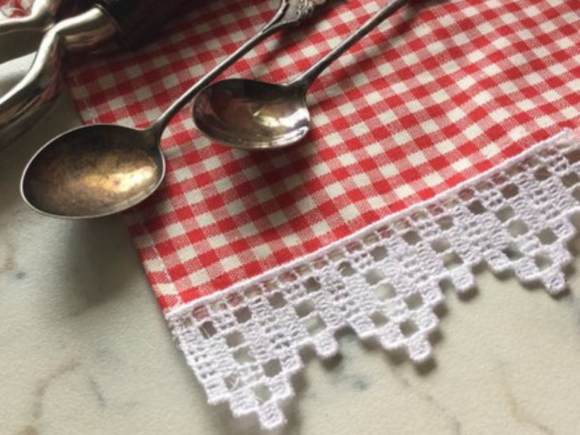
Edging Lace for Kitchen Towels: A Designer's Review
As a professional embroidery designer who has spent years refining designs for both personal projects and commercial production, I approach every new download with a mix of excitement and skepticism. When I first encountered the Edging Lace for Kitchen Towels on Creative Fabrica, I wasn't just looking for another decorative border; I was searching for a versatile element that could elevate handmade gifts, boutique merchandise, and custom apparel without requiring a massive hoop size or excessive stitching time.
This review is based on my experience evaluating this design for real-world application. Whether you are an Etsy seller preparing for a holiday rush, a small business owner creating branded aprons, or a crafter making personalized baby blankets, understanding the nuances of a machine embroidery design is crucial before committing to a production run. Here is my honest assessment of how this FSL edging border lace performs in practical scenarios.
First Impressions and Visual Appeal
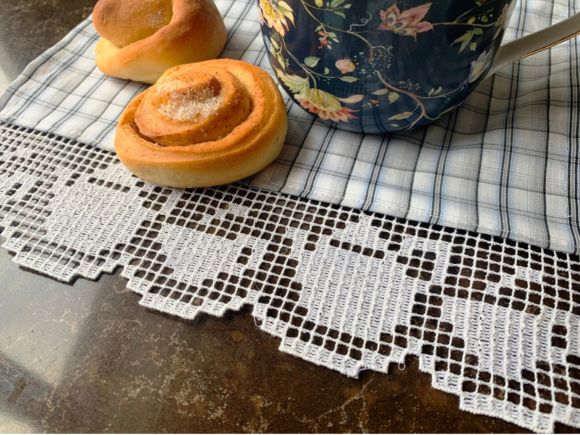
The initial visual mood of the Edging Lace for Kitchen Towels design is elegant yet functional. Unlike some overly complex laces that can look cluttered when stitched at smaller scales, this design strikes a balance between intricate detail and clean lines. The lace pattern suggests a traditional aesthetic that pairs beautifully with rustic kitchen linens but also offers a touch of sophistication for modern nursery decor or children's clothing.
From a design asset perspective, the layout allows for significant flexibility. Because it is an edging border, it naturally fits the perimeter of rectangular items like kitchen towels and pillow covers. However, its potential extends further. I immediately saw possibilities for wrapping around tote bags, adding a refined finish to sweatshirt cuffs, or framing embroidered patches. The ability to choose any color for embroidering these laces means the design can be adapted to match any brand palette or seasonal theme, from soft pastels for baby showers to bold contrasts for adult-oriented home goods.
Performance in Real Embroidery Work
When moving from the digital file to the fabric, the true test begins. For a product like Edging Lace for Kitchen Towels, the stitch density and structure are paramount. In my evaluation, the design appears well-suited for satin stitch applications where smoothness is key, though the specific breakdown of fill stitches versus running stitches should always be verified against your specific machine settings.
I considered using this design for a variety of commercial embroidery projects:
- Kitchen Towels and Aprons: This is the most obvious use case. The lace adds a high-end feel to simple cotton towels, instantly increasing the perceived value of the item. It works exceptionally well as a finished edge on hand-stitched style aprons.
- Baby Items and Nursery Decor: The delicate nature of the lace makes it perfect for baby blankets and bibs. When paired with soft thread colors, it creates a tender aesthetic that parents love.
- Tote Bags and Custom Apparel: For canvas tote bags, this design can serve as a stylish border along the bottom or top hem. On sweatshirts, it could be used as a unique accent on pockets or hems, offering a distinct alternative to standard text-only designs.
- Handmade Gifts and Seasonal Items: During the holidays, these laces can frame gift tags, decorate pillow covers, or embellish cap brims. The versatility here is what makes it a valuable addition to a library of digital embroidery files.
Practical Considerations for Production
While the design looks great on screen, successful execution depends heavily on technical preparation. If you plan to use Edging Lace for Kitchen Towels for custom apparel or frequent-wash items, there are several factors to consider.
Hoop Size and Stitch Density: Before starting a large order, I strongly advise testing the design on scrap fabric to confirm the required hoop size. Some lace patterns require a larger area to prevent puckering, while others are compact enough for small hoops. High stitch density is common in lace designs to ensure the threads hold together, but if the density is too high, the fabric may become stiff or difficult to handle, especially on stretchy materials like jersey or knit fabrics.
Fabric Compatibility: The design will behave differently on various textures. On textured fabrics like terry cloth (common for towels), the stabilizer choice becomes critical. You must ensure you are using a stabilizer that supports the weight of the lace without shifting. For dark fabrics, the contrast of the thread color will define the visibility of the lace details. Always compare light and dark fabric mockups to ensure the design remains crisp and legible.
Curved Surfaces: If you intend to apply this to curved surfaces like caps, be aware that flat edging borders may need adjustment or careful hooping techniques to lay correctly. Curved cap surfaces often distort straight lines, so a test run is essential to avoid misalignment.
Elevating Product Value and Brand Consistency
In the world of handmade products and Etsy listings, presentation is everything. The inclusion of a high-quality design like Edging Lace for Kitchen Towels can significantly impact buyer trust and engagement. A towel with a perfectly executed lace border looks professionally finished, distinguishing your work from mass-produced items found in big-box stores.
This level of detail enhances the finished product quality, making it more "giftable." Customers are willing to pay a premium for items that show care in the details. Furthermore, consistent use of such design assets helps build a cohesive brand identity. If you specialize in boutique merchandise, having a signature style—like a specific type of lace border—can make your shop instantly recognizable.
For those selling printable mockups or digital products, this design serves as a fantastic example of how to showcase potential outcomes. High-resolution images of the lace applied to different backgrounds can drive sales by helping customers visualize the final result.
Essential Notes for Success
To ensure the best results with this machine embroidery design, keep the following checklist in mind before you begin your next project:
- Test on Scrap Fabric: Never start a customer order without a test run. Check for puckering, thread breaks, and overall stability.
- Review File Details: Confirm the file formats and compatibility with your embroidery machine directly on the Creative Fabrica product page.
- Check Licensing: If you are planning to sell the finished physical items, carefully review the license terms provided on the product page to ensure you are compliant with commercial use policies.
- Select Proper Stabilizer: Use the appropriate cut-away or tear-away stabilizer based on the fabric weight and the density of the lace design.
- Inspect Small Details: After stitching, inspect the fine points of the lace to ensure no loose threads or missed stitches mar the appearance.
- Thread Color Contrast: Choose thread colors that provide sufficient contrast against the background fabric to highlight the intricate lace pattern.
The Edging Lace for Kitchen Towels design represents a thoughtful addition to any embroidery collection. It bridges the gap between traditional craftsmanship and modern digital convenience. By taking the time to test and prepare properly, designers and entrepreneurs can leverage this design to create stunning, high-value products that stand out in a crowded market.
Whether you are creating a single personalized gift or a line of boutique home goods, paying attention to the specifics of the design—such as stitch density, fabric choice, and finishing techniques—will ensure that your embroidery file delivers the professional quality your customers expect.