Owl Lineart: A Designer's Review for Craft Fair Success
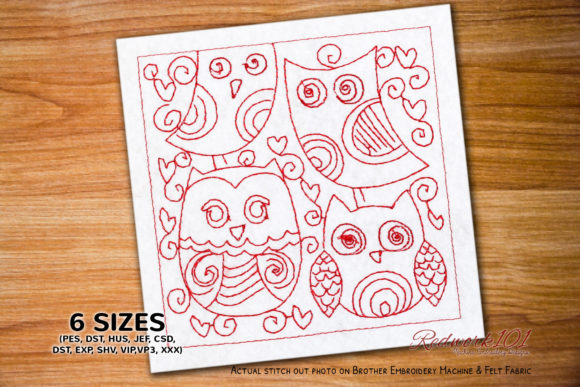
I have spent years reviewing digital files before turning them into the finished products that sit on my booth tables at weekend craft fairs. There is a specific rhythm to selecting designs that not only look beautiful in a hoop but also catch the eye of a passerby and convince them to reach for their wallet. Today, I am looking closely at Owl Lineart, a design described as featuring four adorable little owls sitting next to each other. As an experienced designer preparing for a busy market season, I need to know if this piece has the potential to be a top seller or if it will remain a nice-to-have item.
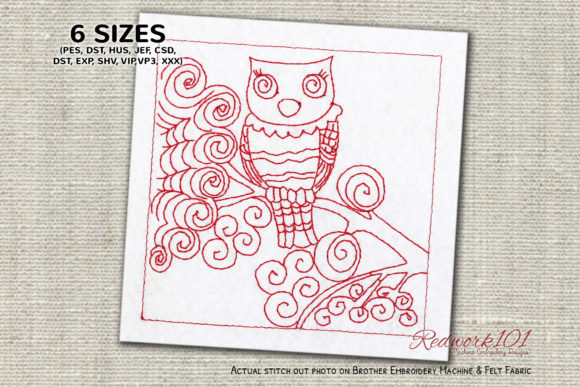
The first impression of Owl Lineart is one of playful charm and rustic warmth. The description mentions "feathery friends," which immediately signals a soft, approachable aesthetic perfect for farmhouse decor, nursery items, or casual accessories. Unlike bold, graphic logos that demand attention, this design feels like a gentle whisper. It leans heavily into the cute and decorative categories, making it ideal for brands that want to convey friendliness and handmade quality. When you are scanning a table full of merchandise, something that evokes a sense of whimsy often stops people in their tracks.
Where Owl Lineart Shines on Product Displays
When I imagine setting up my display for a craft fair, I think about how a design translates from a small screen to a physical object. For Owl Lineart, the versatility is its strongest asset. The concept of four owls sitting together suggests a horizontal layout that works exceptionally well as a focal point on larger canvas items.
Tote bags are the bread and butter of any embroidery business, and this design would look stunning centered on a natural cotton tote. The line art style ensures it remains legible even when printed on textured fabric. Similarly, apron embroidery benefits immensely from this layout. Placing the row of owls across the chest area of a linen apron creates a cohesive, boutique-level look that customers love for their kitchens.
I also see great potential with tea towel embroidery. The length of a standard kitchen towel provides the perfect stage for four distinct characters. It transforms a utilitarian item into a giftable piece of art. For smaller inventory, embroidered patches made from this file could be sold as collectibles or applied to denim jackets and beanies. The design also fits beautifully on pillow covers, where the softness of the thread adds a tactile element that photos cannot capture.
If you are an Etsy seller looking to expand your catalog, Owl Lineart is a strong candidate for digital embroidery file sales or finished goods. It pairs perfectly with seasonal themes, especially autumn and winter holidays, where owl motifs are perennial favorites. Whether you are creating small shop products or scaling up to commercial embroidery, the appeal of these feathery friends is universal.
Photography and Visual Appeal for Online Listings
In the world of handmade markets, photography is everything. A design must photograph well to sell online before a customer ever touches the product. Because Owl Lineart relies on line work rather than heavy fill stitches, it offers high contrast and clean lines that translate beautifully to camera sensors. This makes creating a printable mockup incredibly easy and effective.
When I review a design for my own listings, I look for clarity. Does the detail get lost? With four owls, there is a risk of the individual features becoming muddy if the stitch density is too high. However, assuming the line art remains crisp, the design allows for excellent use of color variation. You can create a series where each owl is a different pastel shade, adding depth without clutter. This variety helps in building a consistent brand identity while offering unique options for buyers.
The design also excels as a repeat pattern. If you cut the image into individual segments, you could create a border effect on market bags or create a repeating motif on fabric pouches. This repeatability is crucial for batch production, allowing you to crank out inventory quickly without sacrificing quality.
Practical Production Notes and Potential Pitfalls
While the aesthetic is promising, every professional knows that the devil is in the details. Before I commit to a large run of craft fair products, I always test the design on scrap fabric. Here are the critical factors to consider with Owl Lineart.
Stitch Density and Small Details: Since the design features "little" owls, there may be fine details in the eyes or feathers. If the stitch density is too low, the shapes might collapse. If it is too high, the fabric could pucker, especially on lightweight materials. You must ensure the stitch density is balanced so the owls retain their shape without distorting the underlying material.
Hoop Size and Placement: Four owls side-by-side require a specific width. You need to confirm the hoop size required for the entire sequence. If the design is too wide for a standard 4x4 hoop, you will need to split the design or use a larger frame, which increases production time. Always verify the dimensions before purchasing bulk fabric.
Fabric Texture and Color: The success of this design depends heavily on the base material. On a smooth cotton tote, the lines will pop. However, on a rough burlap or a highly textured towel, the fine details might disappear. I recommend testing on various fabrics to find the best match. Also, consider thread colors; light threads on dark fabric may lack definition, while dark threads on white fabric offer classic contrast.
Curved Surfaces: If you plan to apply this to caps, remember that curved surfaces can distort straight lines. You may need to adjust the digitization or use a cap hoop specifically designed for wide designs to maintain the integrity of the four-owl arrangement.
Essential Steps Before Selling Finished Products
To ensure your booth stands out and your customers receive premium quality, follow these practical steps before launching your collection.
- Test on Scrap Fabric: Never skip this step. Check how the design behaves on the actual fabric you intend to sell.
- Check Thread Contrast: Ensure the thread colors chosen make the owls stand out against the background.
- Review Spacing: Verify that the spacing between the four owls looks natural and doesn't feel cramped.
- Confirm Hoop Size: Make sure your machine setup can accommodate the width of the design comfortably.
- Inspect Stitch Density: Look for any areas where the fabric might pucker or where stitches might be too sparse.
- Use the Right Stabilizer: Choose a stabilizer that matches the weight of your fabric to prevent shifting and distortion.
- Create Real Mockups: Produce at least one real sample to photograph. Digital renders are helpful, but nothing beats a photo of the actual texture and sheen.
- Compare Fabric Colors: Test the design on multiple fabric shades to see which sells best.
- Confirm Commercial Licensing: Before selling finished items, double-check the license terms included with the file to ensure you are legally cleared for commercial use.
The optional mention of a "Stitch Box" in the description suggests there may be additional elements or packaging ideas available, which could be a great upsell opportunity for gift sets. By combining the Owl Lineart design with complementary items, you can create a cohesive gift set that appeals to buyers looking for complete solutions.
Ultimately, Owl Lineart has the potential to be a standout piece in any handmade collection. Its friendly nature and versatile layout make it suitable for a wide range of applications, from tote bag designs to embroidered patches. With careful attention to production details and a strategic approach to display, this design can help elevate your booth presence and drive sales. For any creative entrepreneur looking to add a touch of whimsy to their handmade product lineup, these feathery friends are definitely worth a try.