Muscular Moose: A Designer's Review for Small Business Merch
As an experienced embroidery designer who has spent years refining digital assets for commercial use, I approach every new machine embroidery design with a critical eye. The goal is never just to create something that looks pretty on a screen; the objective is to ensure it translates flawlessly into a physical product that enhances brand identity. Recently, I reviewed the "Muscular Moose" design from the Farm Animals category, and I wanted to share my professional assessment specifically for small business owners, Etsy sellers, and apparel decorators looking to upgrade their branded merchandise.
First Impressions: Personality Meets Professionalism
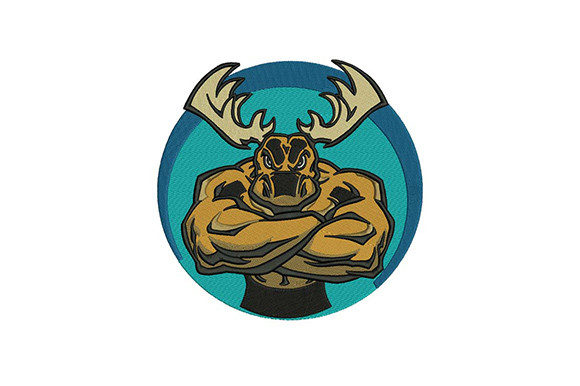
The title "Muscular Moose" immediately suggests a blend of rustic charm and bold strength. In the context of a digital embroidery file, this duality is crucial. For a café, a bakery, or a handmade shop, the design needs to feel approachable yet durable. My initial analysis suggests that Muscular Moose strikes a balance between playful and premium. It avoids being overly cartoonish while maintaining enough visual interest to serve as a standout logo accent.
When considering the target audience—ranging from crafters to product designers—the design feels versatile. It works well for brands that want to convey a sense of rugged reliability without sacrificing the warmth of a handmade product. Whether you are creating custom apparel for a team or unique accessories for a boutique, this design offers a distinct personality that can help your customers recognize your brand instantly.
Real-World Application in Small Business Merch
The true test of any embroidery file is its performance across various substrates. Based on my experience, Muscular Moose has significant potential for small business merch beyond simple t-shirts. Here is how I see this design functioning in real-world scenarios:
- Embroidered Patches: This design is ideal for creating sew-on patches. The strong outlines and defined shapes make it perfect for attaching to backpacks, jackets, or tote bags. A well-made embroidered patch featuring Muscular Moose can elevate a customer's gear, turning a simple accessory into a statement piece.
- Staff Uniforms and Aprons: For bakeries, florists, or local cafes, adding a chest logo or sleeve detail creates a cohesive look. Muscular Moose could serve as a friendly mascot on aprons, signaling to customers that the staff takes pride in their work. The design's robust nature ensures it remains legible even after frequent washing.
- Cap Embroidery: The front panel of a cap is prime real estate for branding. If the stitch density is managed correctly, this moose design can sit perfectly centered on a trucker hat or a structured cap, offering a modern twist to classic headwear.
- Tote Bag Design: Tote bags are a staple for craft businesses and events. Using Muscular Moose as a central mark on a canvas tote provides a high-value gift option. It adds a layer of visual consistency to your event merch or customer appreciation packages.
- Product Packaging Accents: Imagine a small sticker or label on a jar of honey or a bag of coffee beans. While paper labels are common, a small embroidered patch applied to packaging creates a tactile, premium experience that customers love to keep.
Strategic Considerations and Limitations
While the design shows great promise, an honest review must address where caution is required. Not every surface is suitable for every commercial embroidery project. As a designer, I advise evaluating the following factors before committing to production:
- Small Patch Sizes: If you plan to produce tiny patches (under 2 inches), be wary of intricate details. Fine lines may fill in or become muddy when stitched at a reduced scale. Always test the design at the intended final size.
- Curved Surfaces: Embroidering on caps or curved items requires specific hoop sizes and stabilizers. The tension of the fabric can distort the image if not handled correctly. Ensure your digitizing allows for the necessary stretch on curved surfaces.
- High Stitch Density: Designs with heavy fill stitches can feel stiff on lightweight fabrics like thin cotton tees or silk blends. Check the stitch density to ensure the finished product remains comfortable to wear.
- Fabric Texture and Color: Dark uniforms or textured fabrics like heavy denim can hide light thread colors. You must carefully select thread colors that provide sufficient contrast against the background material to maintain visibility.
- Frequent Washing: For items like work shirts or aprons that undergo industrial laundering, the design must be anchored properly. Inspect the spacing and underlay to prevent puckering over time.
Impact on Brand Identity and Customer Trust
In the competitive world of online marketplaces and local retail, visual consistency is key. A high-quality finished product signals professionalism. When a customer receives a tote bag or wears a cap featuring a crisp, well-executed Muscular Moose design, it reinforces trust in your brand. It suggests that you pay attention to detail, which often translates to quality in your core products.
Furthermore, unique design assets like this can increase buyer engagement. A memorable character or symbol helps customers recall your business long after the purchase. Whether used as a logo accent or a standalone graphic, Muscular Moose can become a recognizable element of your visual language, setting your custom apparel apart from generic alternatives.
Practical Notes for the Embroidery Designer
Before running this embroidery file on your production line, follow these essential steps to ensure success:
- Test in Black and White: Convert the design to a monochrome preview first. This helps you visualize the stitch flow and identify areas where the design might break down without the distraction of color.
- Verify File Formats: The product description mentions multiple formats, but you must confirm which specific formats are compatible with your machine software. Do not assume compatibility; check the technical specifications provided by the creator.
- Review Hoop Size: Confirm the recommended hoop size for the design. Attempting to stitch a large design in a small hoop can lead to distortion or incomplete stitching.
- Stabilizer Selection: Use the appropriate stabilizer for your fabric type. For stretchy knits, a cut-away stabilizer is often necessary to prevent the design from distorting during wear.
- Create a Printable Mockup: Before mass production, generate a printable mockup to show clients or stakeholders. This allows for approval on placement and sizing before you commit valuable materials.
- Check Commercial Licensing: Ensure you have the correct license for commercial embroidery projects. Some designs are restricted to personal use only, which would limit your ability to sell the finished goods.
- Inspect Spacing: Look closely at the spacing between elements. Tight spacing can cause thread breaks, while loose spacing can result in a lackluster appearance.
The Muscular Moose design offers a compelling opportunity for small businesses to enhance their branded assets. By understanding its strengths and limitations, you can leverage this design asset to create professional, engaging, and durable merchandise. Whether you are outfitting a team of baristas or launching a new line of eco-friendly totes, this design provides a solid foundation for building a memorable brand presence.