Happy Snowman Bluework Review for Craft Fairs
As an experienced embroidery designer who spends countless weekends setting up booths at local craft fairs and preparing inventory for handmade markets, I know that the difference between a design that sits on a shelf and one that flies off the table often comes down to visual impact and practical production. When I first looked at the Happy Snowman Bluework, my immediate thought was not just about the festive theme, but how it would translate into a tangible product that customers can hold, touch, and buy. This review breaks down exactly why this specific machine embroidery design deserves a spot in your next collection of Christmas and holiday goods.
First Impressions: A Festive Focal Point
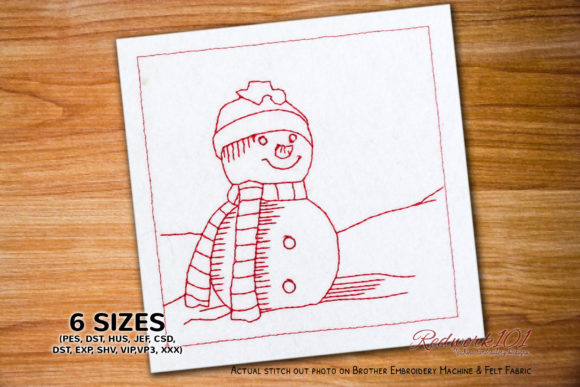
The title Happy Snowman Bluework immediately sets a cheerful tone. From a design perspective, the mention of a "stylish cap and scarf" suggests a character with personality rather than a generic snowman. In the chaotic environment of a craft fair, where hundreds of items compete for attention, a design needs to be bold enough to stop a passerby but simple enough to be understood instantly. The description notes that the snowman is bound to put a smile on a face, which is exactly the emotional hook we need for seasonal sales.
This design feels versatile enough to fit into modern farmhouse aesthetics while maintaining a playful, cute vibe. It does not appear overly ornate or cluttered, which is crucial for embroidery file designs intended for mass production. The "Bluework" aspect implies a potential for monochromatic elegance or high-contrast color blocking, allowing you to adapt the look to match your brand's color palette. Whether you are aiming for a rustic winter feel or a bright, pop-art holiday look, this design has the structural integrity to support both directions.
Product Versatility: Where Happy Snowman Bluework Shines
When planning a booth display, variety is key. You want to show customers how a single design can elevate different items. Here is how Happy Snowman Bluework performs across various handmade product categories:
- Tote Bag Design: This is perhaps the strongest application. A tote bag serves as a walking billboard for your brand. Placing the snowman prominently on the front creates a large focal point that draws the eye from a distance. The sturdy canvas fabric usually provides a great background for the stitches to pop.
- Apron Embroidery: For the kitchen-focused shopper, this design adds a touch of whimsy to a functional item. It works beautifully centered on the bib or even repeated along the waistband. It transforms a standard utility apron into a unique handmade product that stands out against generic big-box store options.
- Tea Towel Embroidery: Kitchen towels are impulse buy favorites. The snowman fits perfectly within the border area or centered on the towel. Since tea towels are often white or neutral, the thread colors chosen for the cap and scarf will define the entire aesthetic of the piece.
- Embroidered Patch: If you offer patches as accessories, this design is ideal. Patches allow customers to add the design to jackets, beanies, or backpacks without committing to a larger garment. It is a lower price point entry that still delivers a premium feel.
- Caps and Fabric Pouches: For smaller items like caps, the design must be scaled correctly. The "stylish cap" element of the snowman might need careful positioning to avoid looking distorted on curved surfaces. Similarly, small pouches work well if the design is treated as a cute accent rather than a massive graphic.
- Pillow Covers and Market Bags: These items benefit from the durability of machine embroidery. A pillow cover featuring this snowman makes for a perfect gift, while market bags appeal to the eco-conscious shopper looking for reusable holiday gear.
Production Practicality and Visual Appeal
For any Etsy seller or boutique maker, efficiency is money. One of the biggest advantages of Happy Snowman Bluework appears to be its clarity. Designs that rely on tiny details often lose their definition when stitched quickly or on textured fabrics. Based on the description, this design seems to prioritize the silhouette of the snowman and his accessories, making it highly repeatable for batch production.
Photography for online listings is another critical factor. A clean, well-defined design photographs much better than a muddy, over-stitched mess. Because this design features distinct elements like a hat and scarf, it offers excellent contrast opportunities. When creating a printable mockup for your shop, you can easily swap thread colors to show versatility, which increases buyer engagement by demonstrating how the item could fit different home decors.
The design also supports strong brand consistency. If you build a "Winter Collection," this snowman becomes the anchor character. Customers recognize the style and return for more, knowing they are getting a cohesive, professional look. This reliability builds trust, which is essential for converting casual browsers into loyal buyers.
Careful Considerations for the Maker
While the design sounds promising, there are practical steps every commercial embroidery business owner must take before hitting the production line. You cannot simply assume the design will work on every fabric type without testing.
Stitch Density and Thread Colors: Check the stitch density carefully. Areas where the cap meets the scarf or the eyes might be dense. If the density is too high, the fabric may pucker, especially on lightweight materials like cotton handkerchiefs or sheer fabrics. Ensure you have the right thread colors available; a high-contrast blue thread against a white background is classic, but you might experiment with metallics or pastels for a unique twist.
Fabric Texture and Stabilizer: The choice of stabilizer is non-negotiable. On thick fabrics like heavy denim or textured towels, you will need a cut-away stabilizer to prevent the design from sinking or distorting. Conversely, on delicate silks or linens, a tear-away might suffice, but you must test to ensure no puckering occurs. Always inspect the stabilizer placement to ensure it holds the hoop securely without shifting during the run.
Hoop Size and Curved Surfaces: Confirm the recommended hoop size for the design. If you are embroidering on a curved surface like a baseball cap, the curvature can distort the image if the design is too wide. You may need to adjust the scaling or choose a specific cap shape that accommodates the design dimensions. Additionally, verify that the design does not contain tiny lettering that might become illegible if the file is resized for a small patch or keychain.
Digital Assets and Licensing: Before selling finished products, you must review the commercial licensing terms provided with the digital embroidery file. Some licenses restrict the number of units you can sell or require attribution. Never skip this step to protect your business from legal issues.
Final Verdict for Your Booth
In conclusion, Happy Snowman Bluework is a strategic addition to any holiday inventory. It balances charm with production viability, offering a design that looks premium in person and translates well into digital marketing assets. By testing it on scrap fabric, checking contrast, and ensuring proper stabilization, you can turn this design into a bestseller.
Whether you are crafting for a weekend craft fair, running an online store, or supplying a local boutique, this design offers the flexibility to create everything from small shop products to large statement pieces. It captures the spirit of the season while providing the reliability that serious makers demand. If you are ready to get your customers smiling this winter, this is a design worth stitching.