African Angel Lineart: A Designer's Review for Boutique Apparel
As an experienced embroidery designer, I am constantly on the hunt for digital files that offer both visual impact and technical reliability. When browsing Creative Fabrica embroidery options for a new collection of boutique apparel, I recently encountered African Angel Lineart. This design immediately caught my attention not just for its aesthetic appeal, but for its potential to elevate small clothing brands and handmade business owners looking to create professional-grade merchandise. In this review, I will walk through how this embroidery file fits into real-world projects, from oversized hoodies to custom denim jackets.
First Impressions: Visual Personality and Mood
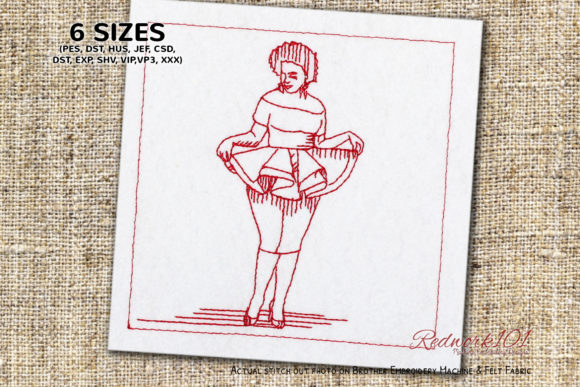
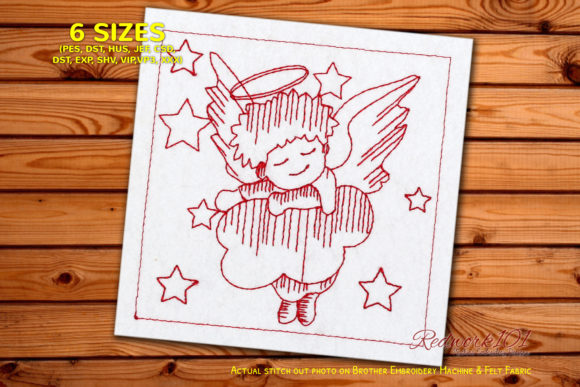
The first thing you notice with African Angel Lineart is its distinct visual personality. The line art style offers a clean, modern look that feels both trendy and classic. Unlike dense fill designs that can sometimes feel heavy or dated, this piece relies on strong outlines and negative space to make its statement. It strikes a perfect balance between being bold enough to stand out on a garment and minimal enough to remain sophisticated.
When I imagine this design stitched onto neutral sweatshirts or pastel hoodies, it pops with a playful yet feminine energy. The "Angel" theme suggests a touch of grace, while the "African" influence in the name hints at cultural depth and vibrant storytelling. For an Etsy seller or a creative entrepreneur, this duality is gold. It allows you to market a product as both a lifestyle item and a piece of art. The design feels premium without trying too hard, making it ideal for boutique brand identity where visual consistency is key.
Ideas for Sweatshirt and Hoodie Collections
One of my favorite ways to utilize African Angel Lineart is by creating a cohesive sweatshirt or hoodie collection for an online shop. The versatility of the line art means it works beautifully across different fabric textures. On a soft fleece hoodie, the stitching would lay flat and crisp, offering a high-end finish that customers expect from a custom apparel label.
Consider using this design for chest placement on oversized garments. The clean lines ensure that the design does not get lost in the volume of the fabric. Alternatively, you could use it as a sleeve accent or even a large back design for a statement piece. For cozy seasonal outfits, such as winter beanies or scarves, this machine embroidery design adds a focal point that elevates a basic accessory into a luxury item.
The design also translates well to other materials beyond standard cotton blends. Imagine African Angel Lineart embroidered on a vintage denim jacket or a canvas tote bag. The contrast between the sturdy fabric and the delicate thread work creates a tactile experience that enhances the handmade product feel. For digital sellers creating printable mockups, the clarity of the line art ensures that your finished product photos look sharp and professional, driving better engagement on social media graphics.
Strategic Placement and Design Variations
- Hoodie Chest Placement: Perfect for left-chest logos that signal quality without overwhelming the wearer.
- Sleeve Accents: Ideal for adding a subtle detail to the cuff or upper arm, great for streetwear aesthetics.
- Back Designs: Use the full scale of the design for a bold statement on the back of a pullover or zip-up.
- Tote Bags: The durability of the embroidery makes it suitable for everyday carry items.
Technical Considerations and Potential Challenges
While African Angel Lineart appears easy to stitch based on the description, every experienced designer knows that success lies in the execution. There are specific areas where you must exercise caution to ensure the stitch density and structural integrity of the design hold up over time.
One critical factor is the choice of fabric. While this design looks great on structured cotton, applying it to highly stretchy fabrics like thin jersey or ribbed cuffs requires extra care. Without proper stabilization, the lines may pucker or distort as the fabric stretches. Similarly, if you plan to place the design on dark garments, you must carefully select thread colors that provide sufficient contrast. The description notes that the outer box color varies, which implies you have flexibility, but testing thread combinations is essential before committing to a bulk run.
Another area to watch is dense stitch areas. If the line art includes tight curves or small details, they might require a denser underlay to prevent the fabric from showing through. Small chest placements can sometimes suffer from distortion if the hoop size is not perfectly matched to the garment curvature. Always test on scrap fabric first to ensure the hoop size and stabilizer choice support the design correctly.
Impact on Brand Identity and Product Value
In the world of commercial embroidery, the quality of your design directly influences buyer trust. A poorly executed stitch job can make a small shop product feel cheap, whereas a clean, well-placed design like African Angel Lineart signals professionalism. When customers see a consistent, high-quality logo or graphic on their clothing, they are more likely to return to your store.
This design can significantly boost product recognition. By using a unique line art style, you differentiate your digital embroidery file offerings from generic clip art found elsewhere. It helps in building a narrative around your brand identity, allowing you to tell a story through your merchandise. Whether you are creating lifestyle product photos for an Instagram feed or updating your Etsy listings, having a strong visual anchor like this design helps capture attention and drive sales.
Practical Notes for the Embroidery Designer
Before you start stitching up your next collection, there are several practical steps to take to ensure success. First, always review the Creative Fabrica product details and licensing terms. Understanding what you are allowed to do with the embroidery file is crucial for commercial projects.
Here is a checklist for preparing your production:
- Test on Scrap Fabric: Run the design on a piece of the same material you intend to use for the final product.
- Check Stabilizer Choice: Ensure you are using the right cut-away or tear-away stabilizer to support the stitches.
- Review Thread Colors: Test various thread shades to find the best contrast against your garment color.
- Confirm Hoop Size: Verify that your machine's hoop can accommodate the design dimensions without cutting off edges.
- Inspect Stitch Density: Look closely at the digitized output to ensure no areas are too sparse or too crowded.
- Compare Placement Options: Mock up the design on different parts of the garment (chest, back, sleeve) to see what looks best.
It is important to note that while the product description mentions the design is "easy to stitch," specific technical data such as exact stitch counts, file formats, or machine compatibility are not provided in the summary. Therefore, I strongly advise you to confirm these details within the Creative Fabrica download page before beginning production. Different machines handle files differently, and knowing the exact specifications will save you time and thread.
Final Thoughts
African Angel Lineart is a versatile addition to any embroidery designer's library. Its blend of cultural inspiration and modern line art makes it suitable for a wide range of applications, from casual t-shirts to high-end boutique wear. For those looking to expand their inventory with embroidery products that resonate with current trends, this design offers a solid foundation. By paying attention to fabric selection, stabilization, and placement, you can transform this simple line art into a standout feature of your apparel decoration business.
Whether you are an established boutique owner or just starting your journey as an Etsy seller, taking the time to test and refine your approach with African Angel Lineart will pay off in customer satisfaction and repeat business. Happy stitching!