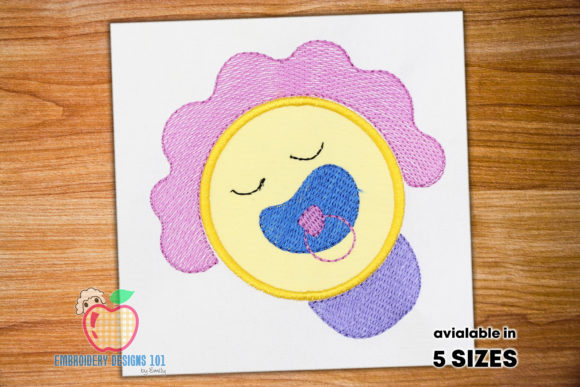
A Baby Sucking a Pacifier
When I first opened the file for A Baby Sucking a Pacifier, I immediately thought about the weekend craft fair I have coming up. As an experienced embroidery designer, I know that the difference between a design that sits in a digital folder and one that actually sells at a booth often comes down to personality and practicality. This design is described as high quality, fun, and easy to stitch, which are three of the most important traits for any machine embroidery design intended for mass production or small-batch handmade goods.
The concept is simple: a baby with a pacifier. It is undeniably cute, but I had to ask myself if it would stand out on a crowded table full of floral patterns and rustic farmhouse decor. My initial impression is that this design leans towards a modern, playful aesthetic. It feels soft and approachable rather than formal or overly decorative. For a Nursery themed collection, it fits perfectly, but its appeal extends far beyond just baby clothes. The simplicity of the subject matter makes it versatile enough to work on everything from aprons to tote bags without looking out of place.
First Impressions and Visual Appeal
At a glance, A Baby Sucking a Pacifier has a strong visual hook. In the world of handmade products, customers make decisions in seconds. A design that conveys emotion instantly is a winner. This design captures a moment of comfort and innocence that resonates with parents, grandparents, and gift-givers alike. Whether you are selling to Etsy shoppers or walking attendees at a local market, the imagery speaks a universal language.
The description notes that it will look great stitched onto any fabric. While I always advise caution with "any" fabric, the core strength here is likely in its clean lines and clear shapes. For a craft fair product, clarity is king. If the details get lost in the stitching, the charm disappears. Assuming the digitization is done right, this design should photograph exceptionally well for online listings. A photo of a finished tote bag featuring this motif is likely to stop a scroll on social media or catch the eye of a browser on your shop page.
Where This Design Shines in Your Inventory
Let's talk about where A Baby Sucking a Pacifier will generate the most buzz when you set up your booth. I have tested dozens of designs on various substrates, and this particular embroidery file has a few standout applications.
- Tote Bag Design: This is perhaps the highest ROI item for a small business owner. A canvas tote bag with this sweet design is an instant gift. It is large enough to show off the detail but small enough to be affordable. Customers love buying these as party favors or new parent gifts.
- Apron Embroidery: Imagine a white or pastel kitchen apron with this design near the chest pocket. It adds a touch of humor and warmth to the kitchen. For a boutique maker, this is a unique item that stands out against generic floral prints.
- Tea Towel Embroidery: Kitchen towels are staples at craft fairs. This design works beautifully as a focal point on a folded towel. It feels like a premium handmade product that justifies a higher price point due to the labor involved.
- Embroidered Patch: If you are looking to diversify, this design can be made into an iron-on patch. These are incredibly popular with Etsy sellers who target kids' clothing or backpack customization. They are also excellent for upselling alongside larger items.
- Fabric Pouches and Pillow Covers: Small pouches for diapers or wipes are practical and sell well. On a pillow cover, the design becomes a centerpiece, perfect for a nursery theme.
Production Practicality and Batch Making
As a designer reviewing this for commercial use, I am looking at how easy it is to produce. The description states it is "fun and easy to stitch." This suggests a manageable stitch count and efficient jump stitches. For a digital embroidery file used in a busy production environment, speed matters. If the design requires excessive trimming or complex color changes, it eats into your profit margin.
I believe this design is highly repeatable. You could easily create a batch of five identical aprons or ten matching tote bags without losing consistency. Consistency is key for brand identity. When a customer sees a row of identical, high-quality items, they trust the maker. Furthermore, because the design is relatively compact, it allows for efficient hooping. You won't need massive hoops for every single item, which saves time on setup.
Critical Considerations for the Maker
Before you commit to producing hundreds of units, there are specific technical factors you must evaluate. Even a "high quality" design can fail if the execution is flawed. Here is my professional advice for handling A Baby Sucking a Pacifier.
Stitch Density and Tiny Details: While the design is likely fun, baby faces and pacifiers can sometimes contain tiny details. If the stitch density is too high, the fabric might pucker, especially on thinner materials like muslin or light cotton. Conversely, if the details are too fine, they may disappear when stitched. Always test the design on scrap fabric before running a full production run.
Fabric Texture and Color: The description says it looks great on "any fabric," but texture plays a huge role. A textured tea towel might hide the definition of the baby's features, making the image look muddy. Smooth fabrics like poplin or canvas will yield the crispest results. Regarding color, ensure you have strong thread contrast. A light blue baby on a yellow background might lack impact. Dark fabric requires a stabilizer and potentially a underlay to prevent the design from sinking into the weave.
Hoop Size and Curved Surfaces: If you plan to put this on caps, remember that curved surfaces distort flat designs. You will need to verify the hoop size compatibility and possibly adjust the design placement. For patches, the backing material needs to be sturdy enough to hold the shape after cutting. Always confirm the recommended stabilizer type; tear-away is usually best for stable fabrics, while cut-away provides durability for stretchy knits or frequently washed items.
Selling Strategy and Customer Engagement
How does this design affect your bottom line? A strong design increases perceived value. When a customer sees a commercial embroidery piece that looks professionally executed, they are willing to pay more. A Baby Sucking a Pacifier has the potential to elevate a standard tote bag into a specialty item.
For creative entrepreneurs, the story behind the product matters. You can market this as a "Comfort Collection" or a "New Parent Essentials" line. The design evokes feelings of care and tenderness, which drives emotional purchasing decisions. When setting up your display, group similar items together. Place the embroidered patches next to the tote bags and the aprons to create a cohesive visual narrative.
If you are a small shop product seller, this design is a low-risk, high-reward asset. It appeals to a broad demographic of gift buyers. However, remember that photography is crucial. Create at least one real mockup using the actual fabric and thread colors you intend to sell. Do not rely solely on digital previews. Customers want to see the texture of the stitches and how the design interacts with the fabric grain.
Final Designer Notes for Success
Before you start your production line, take these essential steps to ensure your finished product meets professional standards:
- Test Run: Stitch the design on multiple fabric types to check for puckering or distortion.
- Thread Contrast: Experiment with different thread colors to find the combination that makes the design pop.
- Spacing: Review the spacing on your final garment. Is it centered? Does it fit within the seam allowances?
- Licensing: Confirm your commercial licensing terms. Ensure you are allowed to sell finished goods made from this design assets package.
- Mockups: Create printable mockups for your website to visualize the final result before shipping.
In conclusion, A Baby Sucking a Pacifier is a charming addition to any embroidery designer's catalog. It balances cuteness with practicality, making it ideal for a wide range of handmade gifts. By paying attention to fabric choice, stabilizer selection, and presentation, you can turn this simple design into a best-selling item at your next craft fair or online store. Just remember to check the specific stitch counts and file formats provided by the creator to ensure a smooth production process.